


Prostatitis is a difficult problem for many men, which is why they are afraid to talk to their doctor about it.No matter how difficult it is, you still need to see a doctor - only he can prescribe the right treatment.
In most cases, treatment is medication, especially in the early stages of the disease.However, there are other types of treatments, such as prostate massage.It is worth noting that it is contraindicated during inflammation of the prostate, as this can spread infection.
How to treat male prostatitis?Medications that Help – That’s what we’re going to talk about today.This will help fight prostate inflammation.Remember: complex treatments cannot be abandoned; only combinations of medications can help.
Diagnosis of prostatitis
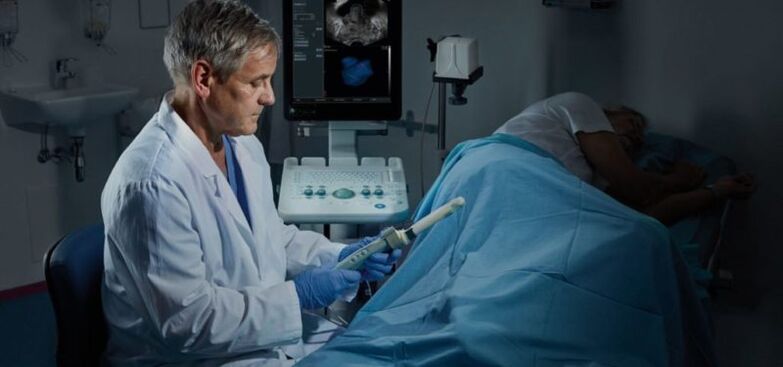
Before starting treatment, men must be examined by a doctor to determine the disease.Bacterial prostatitis is often mistaken for adenoma because the symptoms of prostate adenoma are similar to those of prostatitis.
Only experienced experts can differentiate between these diseases and bacterial infections.You need to understand that treatment of any of them cannot be postponed: adenoma is a benign tumor, and prostatitis can develop into a benign tumor.
The presentation of prostate adenoma is no joke.To prevent prostatitis and prevent chronic disease from getting worse, you need to see your doctor more frequently.Sometimes diagnostic methods are too painful, but this is unavoidable.
On the contrary, pain is a very useful symptom for doctors.Don't forget to talk about your feelings, this will also help determine the stage of prostatitis (acute or chronic).The ICD-10 code for chronic prostatitis is N41.1.
The diagnostic steps for prostatitis can be described as follows:
- General inspection.
- Rectal examination, where glandular secretions are extracted for analysis.This is sent to a laboratory for analysis.For some types of prostatitis, the surgical procedure can be very painful.
- An ultrasound examination (ultrasound) of the prostate through the abdominal wall or rectum - this depends on the type of prostatitis.The first method is less painful but less informative.
- PSA analysis.If this indicator increases in the blood, experts may suspect prostatitis.
You should not refuse a rectal or other type of exam.Another reckless approach is not to see a doctor at all.It is unlikely that you will be able to choose your own treatment, but the gland's secretions will help determine the susceptibility of the infectious agent to antibiotics.
This way, the quality of treatment will improve and you will get rid of prostatitis faster.If this is the initial stage, there will be no consequences.You should not self-administer medications as this may harm your body.
Often, the consequence of untreated prostatitis is kidney problems, and certain medications are contraindicated for this condition.Of course, a person may not even know they have kidney disease.
Male prostatitis problems and their medication are the most common requests men make to their doctors for help.But it is necessary to act at the preventive stage - regularly visit a specialist and check whether you have any diseases.
Drugs to Treat Prostatitis
There are many treatments for prostatitis - medications and other types of treatments, such as physical therapy.Most commonly, antibiotics are used to treat inflammatory diseases and their exacerbations.
drug treatment
Only specialists have the authority to prescribe medicines to patients.If a man has previously tried to cure prostatitis with the help of any medicine, then it is worth telling the doctor about this - he will conduct additional tests and, if necessary, adjust the treatment plan.
The following drugs are used in treatment:
- antibiotic;
- alpha-blockers;
- Muscle relaxants;
- Hormone drugs;
- Herbal remedies.
Doctors often prescribe a combination of medications.This is appropriate when one group of drugs has analgesic effects and another has an effect such as reducing the size of the prostate.In this case, recovery will be quicker than waiting for one thing to work.
Antibiotics - Tablets and Capsules for Prostatitis
The most commonly used group of prostatitis drugs.The reason is that prostate inflammation is often caused by bacteria that need to be eliminated.Only antibiotics can solve this problem.
These products are divided into the following types of tablets:
- Fluoroquinolones;
- penicillin;
- macrolides;
- Cephalosporins;
- Tetracyclines.
Antibiotics are given in courses, each lasting at least 5-6 weeks.Doctors who prescribe antimicrobials to patients must check on them weekly.A specialist must see if the medication is working, if it needs to be changed and if the man's condition is getting worse.
alpha blockers
Often used with muscle relaxants.Alpha-blockers relieve smooth muscle spasms.These drugs are necessary if the opening of the sphincter is impaired.
Thanks to its use, you can eliminate urination problems and reduce the frequency of involuntary bowel movements at night.However, patients still need to be monitored—relapse is a possibility.
muscle relaxants
They belong to the categories of painkillers and relaxants.They are especially important in chronic bacterial prostatitis because they can relieve muscle spasm and tension in the pelvic area and promote urination.
Since there is no spasm, you can use rectal suppositories or other treatments, which are contraindicated if the prostate is too inflamed.
These medications do not cure chronic disease, but they can provide significant relief from your condition.Patients complained of pain much less frequently.
Hormone drugs
Hormonal medications are often prescribed to treat prostatitis.In fact, the disease is often caused by too much testosterone.
In order to return hormone levels to normal, certain medications need to be taken.They should never be consumed without a doctor's guidance, as they can worsen your health.However, hormonal drugs alone cannot cure prostatitis.
herbal therapy

Herbal medicines are nothing more than complementary medicines.They are based on herbal medicine, which is why some doctors are skeptical about them.However, to maintain immunity, herbs can be taken - usually they have no contraindications except allergies.
Other treatments
Other types of treatment include:
- physical therapy;
- Rectal suppository therapy;
- prostate massage;
- measures aimed at boosting immunity;
- Surgical intervention.
Although many people classify rectal suppositories as medications, this is not the case.Most experts classify suppositories as alternative treatments—they're popular, but not always available.
Surgical intervention is performed only when all the above measures, including medical treatment, are insufficiently effective.
physical therapy
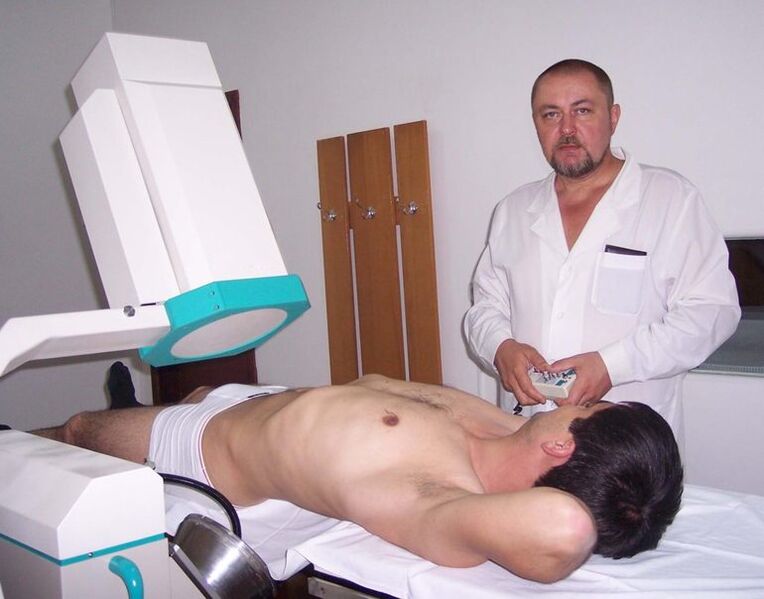
Physical therapy refers to the type of treatment that directly affects prostate tissue.By doing this, in cases of chronic inflammation, prostatitis can be alleviated and the manifestations of prostatitis may partially disappear.
Of course, physical therapy won’t be effective if it’s not accompanied by medication.Antibiotics are most often used, followed by another stage of treatment - the use of vitamin complexes to restore immunity.
Use of special candles
Suppositories (rectal suppositories) are still as commonly used to treat prostatitis as ever.This is because, due to the introduction of the suppository into the source of inflammation, the main active ingredient begins to act directly on the area that needs treatment.
Such medications often contain antibacterial, anti-inflammatory and analgesic substances.However, candles should only be used if a few conditions are met:
- No harm will be done to men.For some types of prostatitis, the use of rectal suppositories is contraindicated.
- In addition to suppository therapy, medication is also used.
The most popular candles contain propolis.Rectal suppositories are often used to prevent chronic prostatitis.
prostate massage
Unfortunately, many patients refuse rectal massage for ethical and moral reasons...but in vain!This surgery is one of the most effective if the male's condition allows it.It's done the same as antibiotics (their purpose).
Prostate massage allows you to:
- Remove stagnant liquid;
- Facilitates the urinary process in chronic prostatitis;
- Reduce the size of the inflamed prostate;
- Improves blood circulation, making other treatments more effective.
Enhance immunity

Strengthening immunity is a mandatory procedure after the penultimate stage of treatment.In fact, prostatitis itself is often caused by stress and depression, suggesting that they lead to reduced immunity.
The patient's health worsened during treatment.paradox?not at all.Antibiotics can treat the prostate, but they can also damage the immune system.
The recovery method is as follows:
- Take a vitamin complex prescribed by your doctor;
- Spend more time outdoors, exercising, swimming;
- Get healthy massages – they improve blood circulation and prevent tissue stagnation.
Fighting prostate inflammation is difficult, but necessary.However, the sooner you see a doctor, the easier it is to get rid of a prostate infection.
Please remember that prostatitis not only easily causes accompanying diseases, but also damages the kidneys, etc.Choose only trustworthy clinics and be sure to restore immunity after antimicrobial treatment.Don't forget prevention.